
Key takeaways
- OOH is growing, and digital formats are a rising share of it.
- Transit media, data-led planning and programmatic buying are changing how campaigns are bought and judged.
- Creative quality and digital integration decide whether outdoor media works.
- Pan-India campaigns still need strong local planning.
The future of outdoor advertising in India is being shaped by digital screens, better data and sharper creative thinking. Outdoor is no longer just a “reminder” medium. For many brands it is becoming a planned, measurable part of the media mix.
Below are seven trends, drawn from published industry data where it exists. We label facts (reported data), analysis (what we think it means) and outlook (where things may go).
How OOH advertising in India has evolved
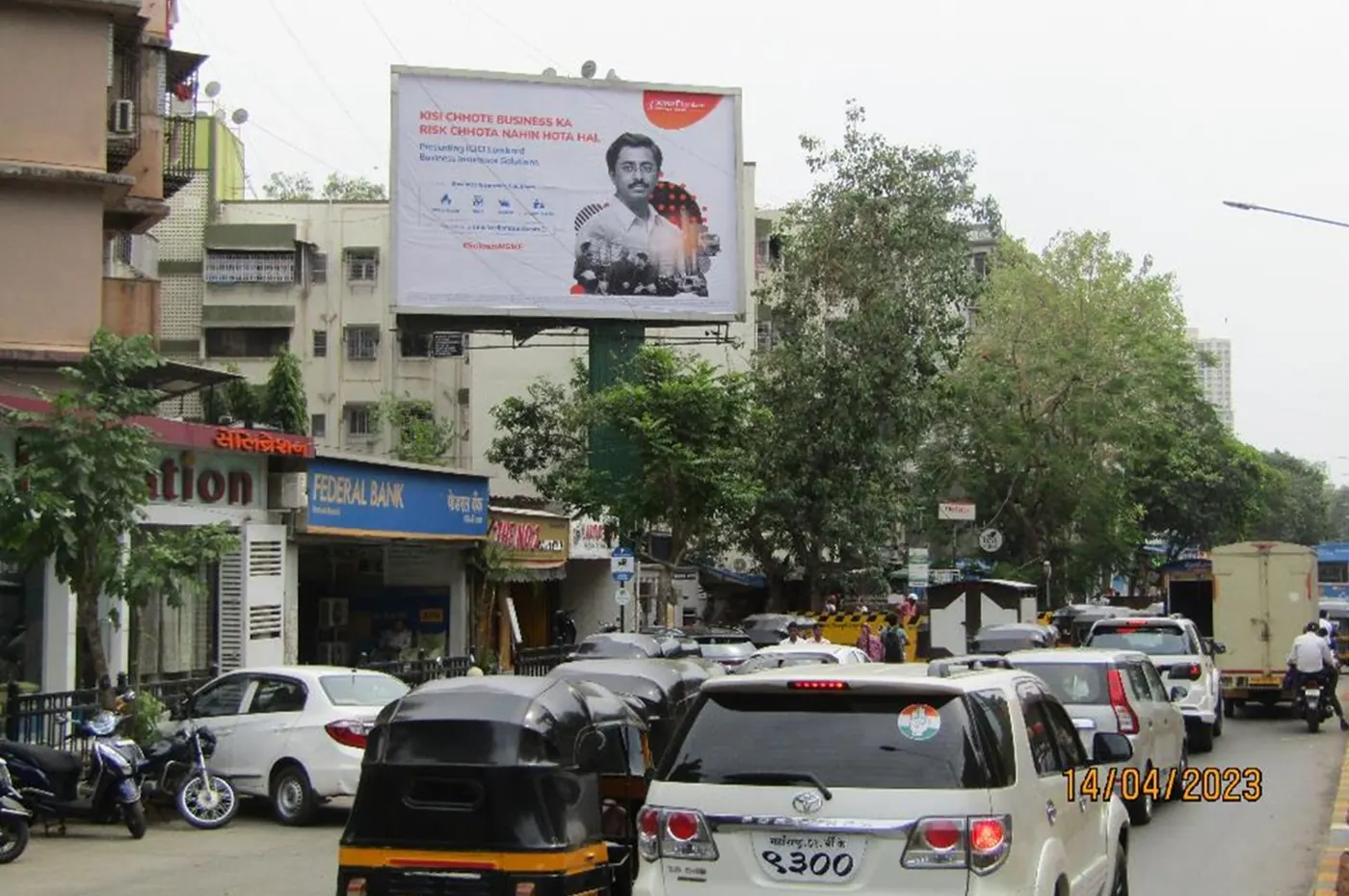
Outdoor advertising in India began with hand-painted hoardings and static billboards, then expanded into bus shelters, transit branding, railway stations, metro networks and large digital screens.
It has held up well. According to the FICCI-EY Media & Entertainment Report 2026, OOH was the only traditional medium to grow in 2025, up 13% and marking a third straight year of double-digit growth, led by premium properties and locations.
Analysis: as audiences spend more time on screens, physical media that cuts through a crowded day is gaining value.
Trend 1: Digital OOH is moving from novelty to mainstream
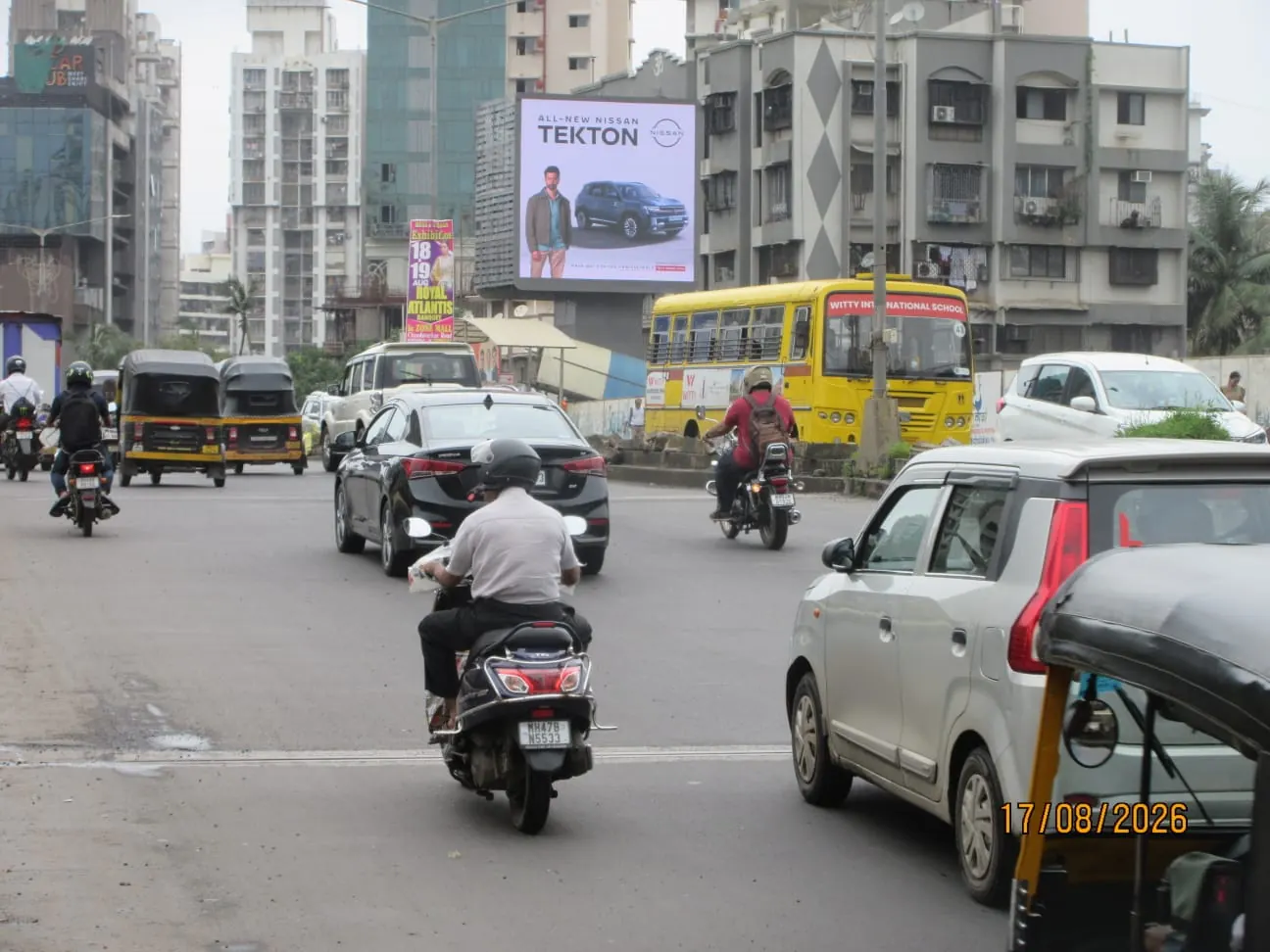
DOOH advertising uses digital screens instead of printed vinyl, so creatives can change by time of day, rotate between advertisers or update without reprinting. Digital OOH made up 18% of OOH revenues in 2025, up from 7% in 2023.
It suits changing offers, launches and time-sensitive messages. Static formats still deliver sustained visibility and recall, so most strong plans mix both.
Trend 2: Transit media is becoming a planned, premium channel
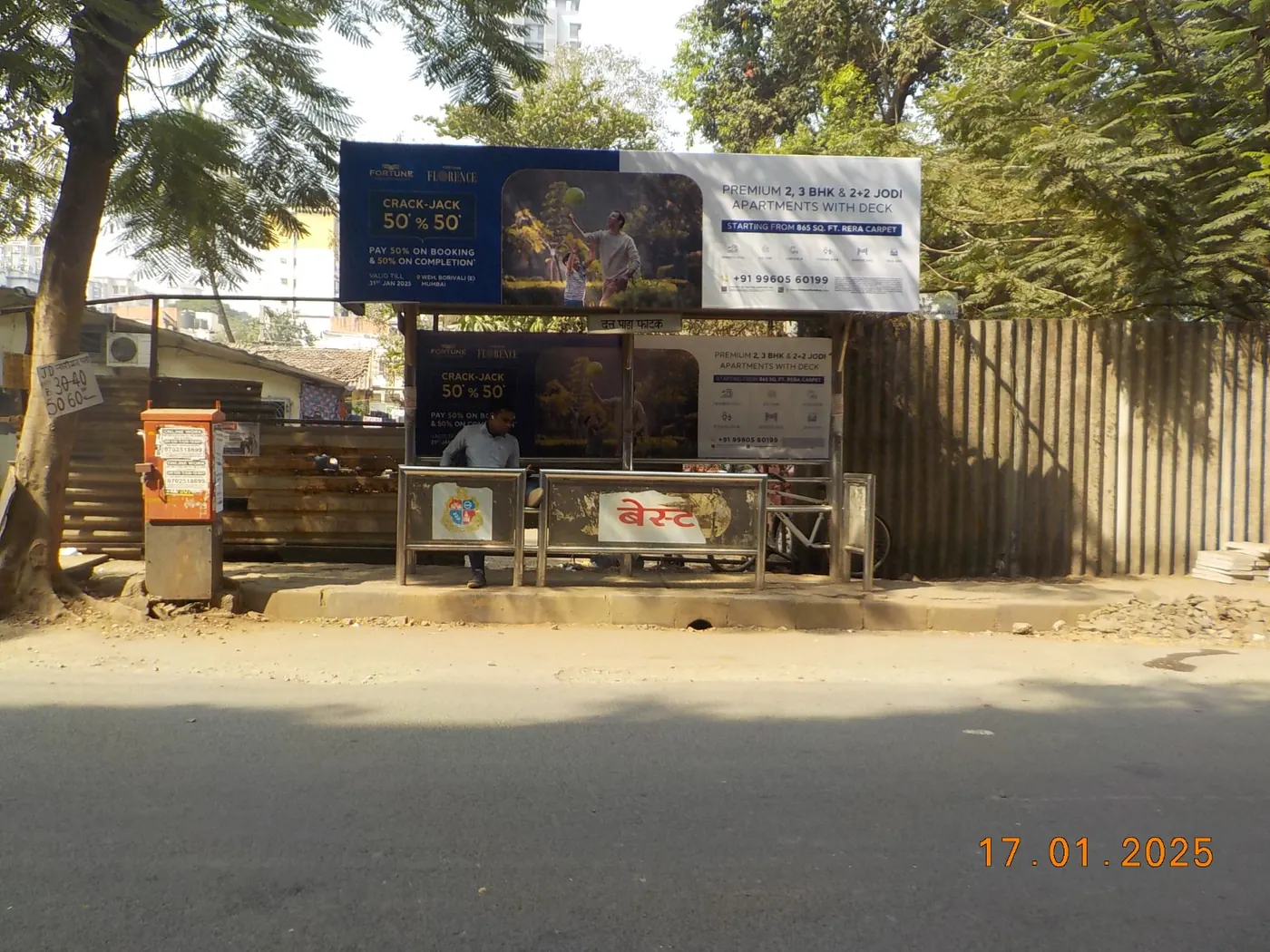
Transit advertising covers buses, bus queue shelters (BQS), local trains, metro networks and railway stations. Its strength is repeat exposure: commuters see the same message across their daily journey.
One market-research forecast expects transit media to grow around 8% a year, faster than billboards. Forecasts differ between firms, so treat this as direction, not a guarantee.
Analysis: as cities add metro lines and upgrade stations, transit becomes more attractive for retail, education and consumer brands that want daily reach.
Trend 3: Data-driven planning and measurement
OOH used to be planned on location, visibility and estimated footfall. Planners now also use traffic and commuter patterns, mobile-location insights and proof-of-play logs from digital screens.
Measurement is still a challenge. One market report notes that the lack of widely adopted, standardized audience measurement holds back advertiser confidence in digital OOH.
Good OOH media planning fills that gap with clear objectives and sensible proxies, such as footfall, enquiries, QR scans, search interest or store visits, instead of a vague promise of “reach”.
Outlook: as measurement improves, advertisers will ask tougher questions of outdoor campaigns, which is healthy for the industry.
Trend 4: Programmatic DOOH is starting to emerge
Programmatic DOOH means buying digital screens through software, using audience data to decide when and where an ad plays, in flights of hours or days rather than fixed four-week cycles.
In India it is still early. One forecast, from a DOOH technology company, suggested around 20% of DOOH spend would be programmatic by 2026, so read it as an industry projection. Another analysis says programmatic still holds a limited share because of infrastructure gaps and cost-sharing concerns.
Our view: programmatic DOOH will be most useful in metros with dense screen networks. Elsewhere, direct buys and strong planning will remain the norm for now.
Trend 5: Contextual advertising makes outdoor feel relevant
Contextual OOH adapts the message to the moment, using triggers such as weather, temperature, sports scores or inventory levels on digital screens.
A cold-beverage brand can push a heat-wave message, a quick-commerce brand can change its offer by time of day, and a sports property can respond on match day. Done well, outdoor feels timely instead of generic.
Trend 6: Creativity is the biggest multiplier
Better data and screens don’t fix weak creative. Outdoor gives a brand seconds, not minutes, so the idea must be simple, bold and readable at a glance.
Special executions such as anamorphic and CGI-led formats are designed to stop people mid-journey. They work when the idea fits the brand and the location, not when the technique is the point. Our special executions work starts from that principle.
Analysis: as formats become more sophisticated, the gap between average and great creative widens. Strong ideas stand out and can earn attention beyond the site, including organic social sharing.
Trend 7: OOH and digital are working together
Outdoor builds large-scale visibility. Digital captures the interest it creates through search, social and retargeting. Good integration can include QR codes or short URLs on outdoor creative, social campaigns that extend the outdoor idea, search and social activity timed around outdoor flights, and outdoor creative reused as digital content.
The logic is simple: if someone sees a billboard and searches for the brand an hour later, the digital campaign should be there. That is why integrated agencies help: one team plans across channels instead of treating them as separate budgets. For a closer look, read how outdoor and digital work together.
What this means for brands and advertisers
- Plan for objectives, not just locations. Decide whether the goal is awareness, footfall, a launch or a seasonal push, then choose formats.
- Think pan-India, execute locally. One industry commentary points to inconsistent rules across states and municipalities, with their own bylaws, screen-size limits, content guidelines and permits. Local knowledge matters as much as national ambition.
- Expect seasonal demand to rise. OOH players are projecting 15-20% growth in the 2026 festive season, so premium inventory is likely to be booked early.
- Measure honestly. Use the best available proxies and set expectations upfront.
- Keep creative and media planning together. Treat location, audience and idea as one decision.
Where Five9 Media fits
At Five9 Media, we plan and execute campaigns across OOH, ATL, BTL and digital for brands in real estate, education, jewellery, entertainment, quick commerce and sports. We start with the objective and audience, then choose the media.
Planning a campaign in Mumbai or across India? See our work or talk to our team about the right mix.
Sources
- FICCI-EY Media & Entertainment Report 2026 (press release): ficci.in
- Storyboard18, festive OOH growth expectations: storyboard18.com
- Mordor Intelligence, India OOH and DOOH market: mordorintelligence.com
- IMARC Group, India digital OOH market: imarcgroup.com
- Adgully (Adonmo interview): adgully.com