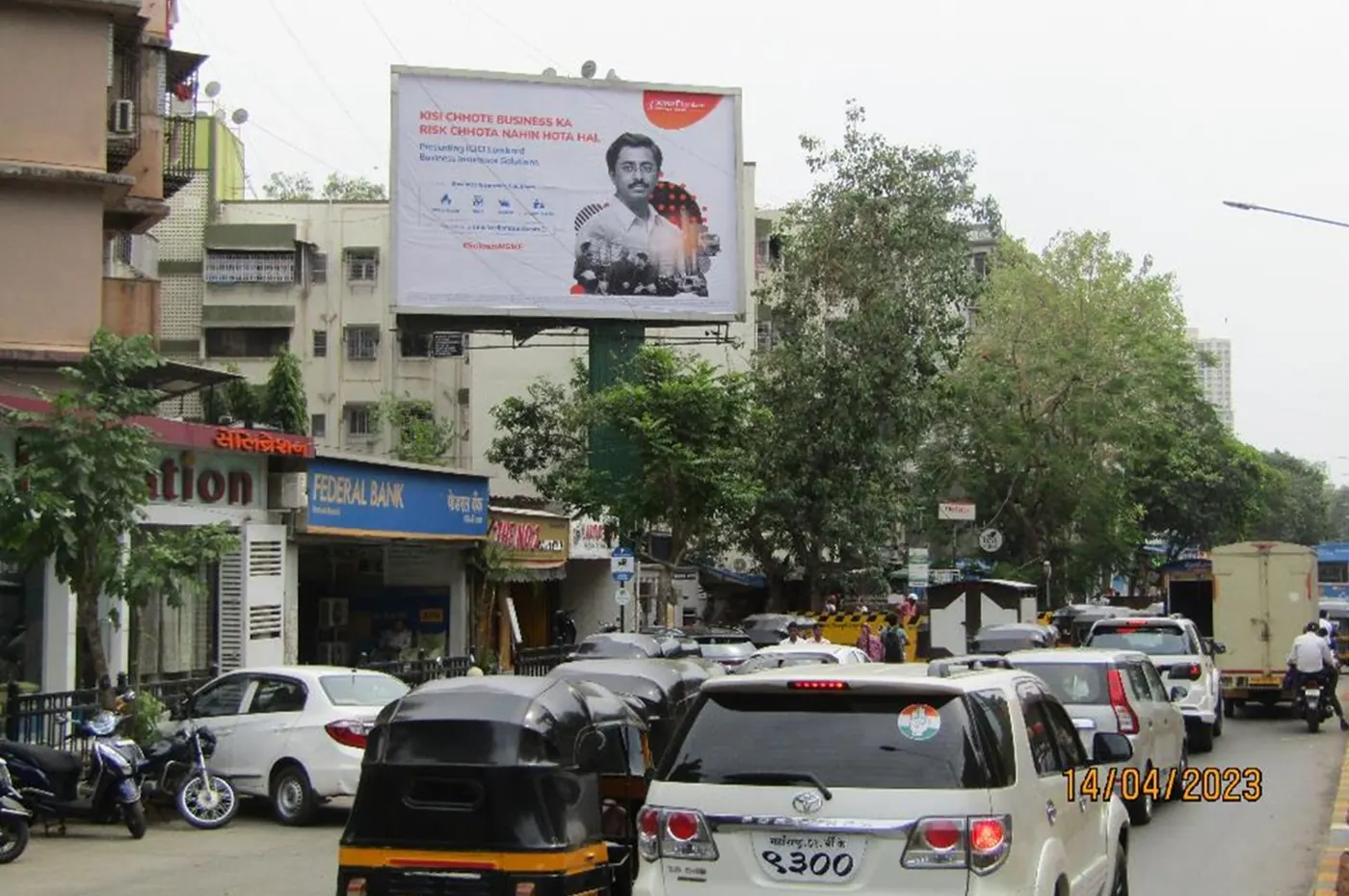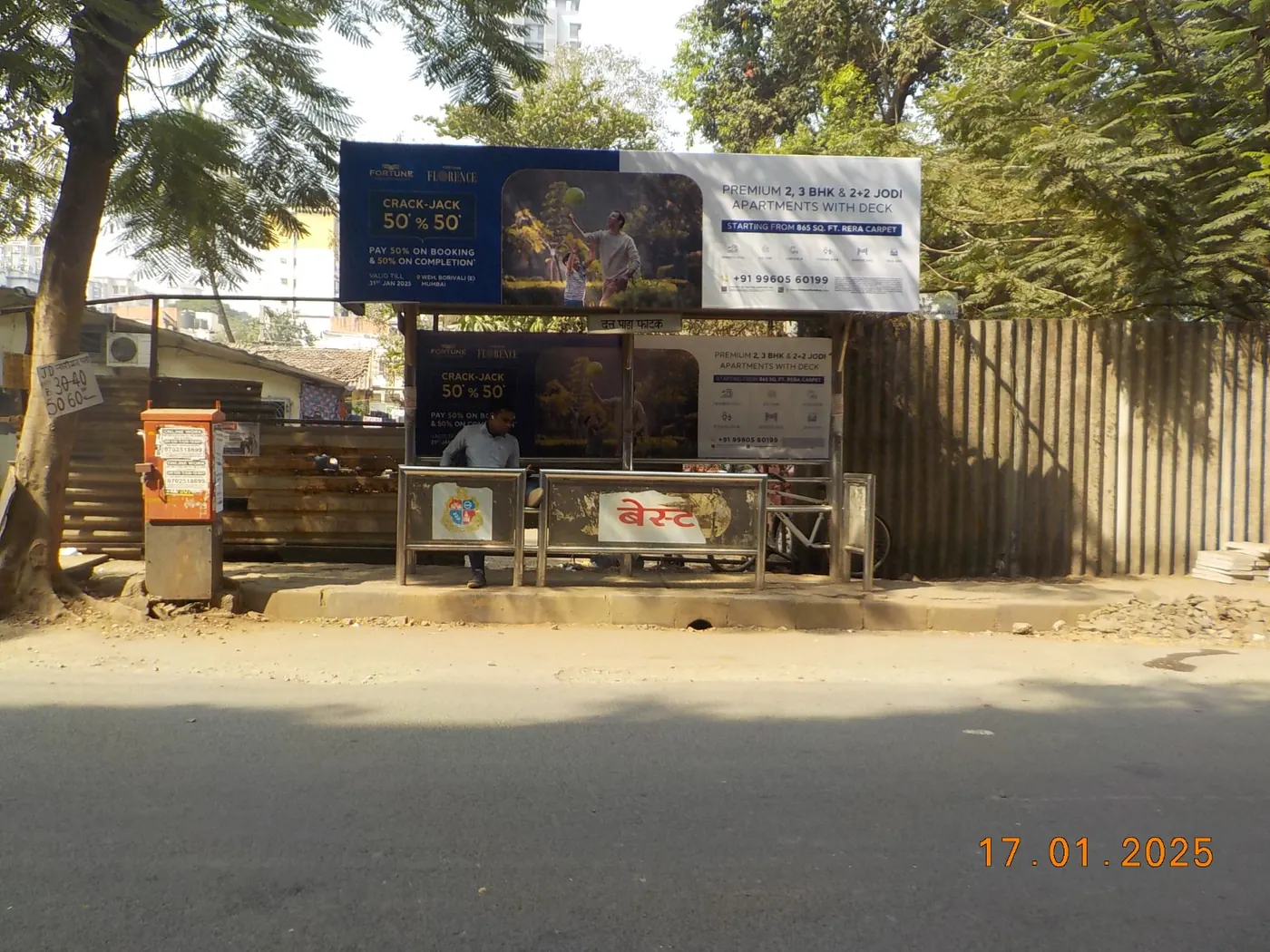

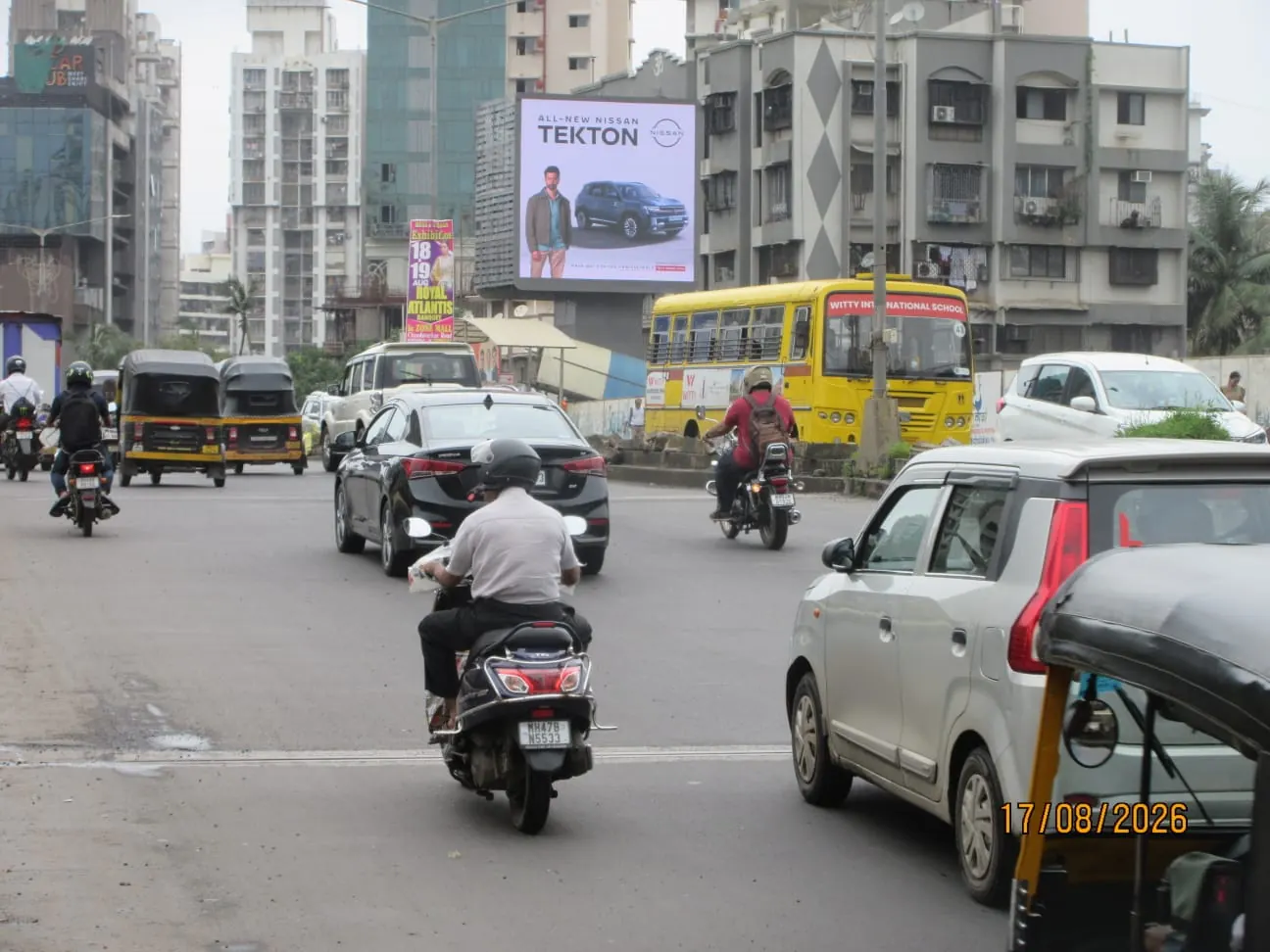
Key takeaways
- OOH and digital do different jobs on the same customer journey, so planning them separately wastes the link between them.
- OOH builds physical visibility and recall. Digital turns that attention into searches, visits, sign-ups and sales.
- QR codes, search, social and landing pages are the practical connecting points.
- Consistent creative and a shared measurement plan matter more than any single tactic.
Why should brands combine OOH and digital instead of treating them as separate channels? Because people don’t experience them separately. Someone sees a hoarding on the way to work, searches the brand on their phone, and later sees a social ad. Planned together, each moment makes the others work harder.
Why OOH and digital shouldn’t be separate
Many brands still run outdoor campaigns and digital on separate budgets, teams and reports, which often means different messages, different timing and no shared audience view.
The two channels do different jobs. OOH gives large-scale physical visibility and repeat exposure that can’t be scrolled past. Digital gives direct engagement (click, search, sign up, buy), targeting and trackable responses. OOH is strong at being seen; digital is strong at being acted on.
Analysis: a consumer moves between the street, the phone, the store and the screen in a single day. Integrated campaigns match that behaviour instead of ignoring it.
OOH builds awareness; digital extends it
OOH remains a serious awareness medium in India. According to the FICCI-EY Media & Entertainment Report 2026, it was the only traditional medium to grow in 2025, at 13%, led by premium locations. The same report puts digital at about 63% of ad revenue, so both channels are gaining importance.
A hoarding is seen in one place for a limited period. Digital campaigns extend it in reach (social and video reach people who never passed the site), in time (content and search presence continue after the flight ends) and in action (interested people get somewhere to go next).
Analysis: in a crowded online environment, a strong physical presence can make a brand feel established before a user sees a digital ad.
Connecting points: QR codes, search, social and landing pages
QR codes and short URLs give passers-by a quick action. They work where people have time to scan, such as stations, bus shelters and malls, not on fast roads.
Search. People often look a brand up after seeing it outside. A 2017 US Nielsen study found 46% of adults had searched for more information after seeing an outdoor ad in the previous six months, and a 2019 US study reportedly found two thirds of smartphone users took some online action. Both are US data and dated, so treat them as evidence of the behaviour, not benchmarks for India.
Social. Photogenic or surprising outdoor creative gets shared. Give people a reason to post: a hashtag, a location or a visual worth capturing.
Landing pages should deliver what the outdoor creative promises, in the same words and look. A mismatch loses the people the campaign worked to attract.
Retargeting and audience journeys
Some campaigns use mobile-location data to identify people near an outdoor site and show them digital ads later. Be realistic: vendors typically match device IDs to online activity, which is a probabilistic link, not a certain one. It should also follow applicable data-protection rules and platform policies.
Outlook: sequenced campaigns will likely grow as measurement improves. Today, geo-targeted social and search around outdoor flights are a practical start.
DOOH, location-based and contextual advertising
DOOH lets creative change by time, location or context: a cold-beverage brand can lead with heat on a hot afternoon, a quick-commerce brand can change offers by the hour. Pairing this with location-based digital activity keeps the message consistent: the offer on a metro screen can appear in a local social or search campaign that evening.
As we noted in our look at where OOH is heading, digital formats are a growing share of India’s outdoor market, which makes this coordination more practical every year.
OOH with social media and performance marketing
Social: use outdoor to create a talking point and social to carry it, with short videos or local content in the same area.
Performance marketing: OOH can raise the number of people who already know the brand when performance ads appear. Keep paid search and social active while outdoor runs in the same area, and use unique QR codes or URLs per location. Claims that OOH “improves digital performance by X%” depend on market, category and method, so test with your own data.
Keep creative messaging consistent
Consistent creative is the cheapest way to make channels reinforce each other. Keep the core line, visual identity and call to action recognisable in both, match the landing page to the outdoor offer, and make digital cut-downs simplify the OOH idea rather than add a new one. OOH media planning works best when the creative team sees the site list and the digital team sees the creative early.
Measuring integrated campaigns
India has no widely adopted audience standard for OOH, so design measurement before launch. Common approaches include search-lift studies, geo-based web traffic analysis, mobile location signals, QR codes and short URLs, and incrementality testing. A sensible set of proxies:
- Branded search trends in the campaign area
- Landing-page visits and QR or short-link clicks by location
- Store visits or enquiries, where tracked, and social engagement
Agree on these with the client in advance, and be clear about what each can and cannot prove.
How different sectors can combine the two
Illustrative scenarios, not Five9 results.
- FMCG: transit and roadside recall, with social and regional influencer activity in the same markets.
- Retail: outdoor near shopping districts, with location-targeted digital offers and store-locator search ads.
- Real estate: hoardings near the project and key corridors, with search and landing pages for site-visit enquiries.
- Entertainment: outdoor and transit for event awareness, with social countdowns and ticketing links.
- E-commerce: high-visibility OOH for brand salience, backed by search, app-install and retargeting campaigns.
What an integrated strategy means for brands
Treating OOH and digital as one plan usually brings clearer messaging, fewer wasted impressions and a better view of what is working. A practical way to start:
- Start with one objective: awareness, footfall, leads or app installs each point to a different mix.
- Pick a few connecting points, such as a QR code, a landing page and geo-targeted social.
- Build one creative idea, then adapt it for each channel.
- Agree on measurement before launch, then review between flights.
At Five9 Media we plan across OOH, ATL, BTL and digital from one brief. You can see our campaigns or talk to our team about a campaign that needs a digital layer.
OOH makes people notice you and digital makes it easy for them to respond. When creative, timing and measurement are planned together, the result is a more connected brand experience than either channel delivers alone.
Sources
- FICCI-EY Media & Entertainment Report 2026 (press release): ficci.in
- Nielsen Online Activation Survey (2017) via JCDecaux: jcdecaux.com
- Nielsen 2019 study as reported by Billboard Insider: billboardinsider.com
- Improvado, DOOH attribution overview: improvado.io
- Atlas OOH, OOH and performance marketing: atlas-ooh.com